
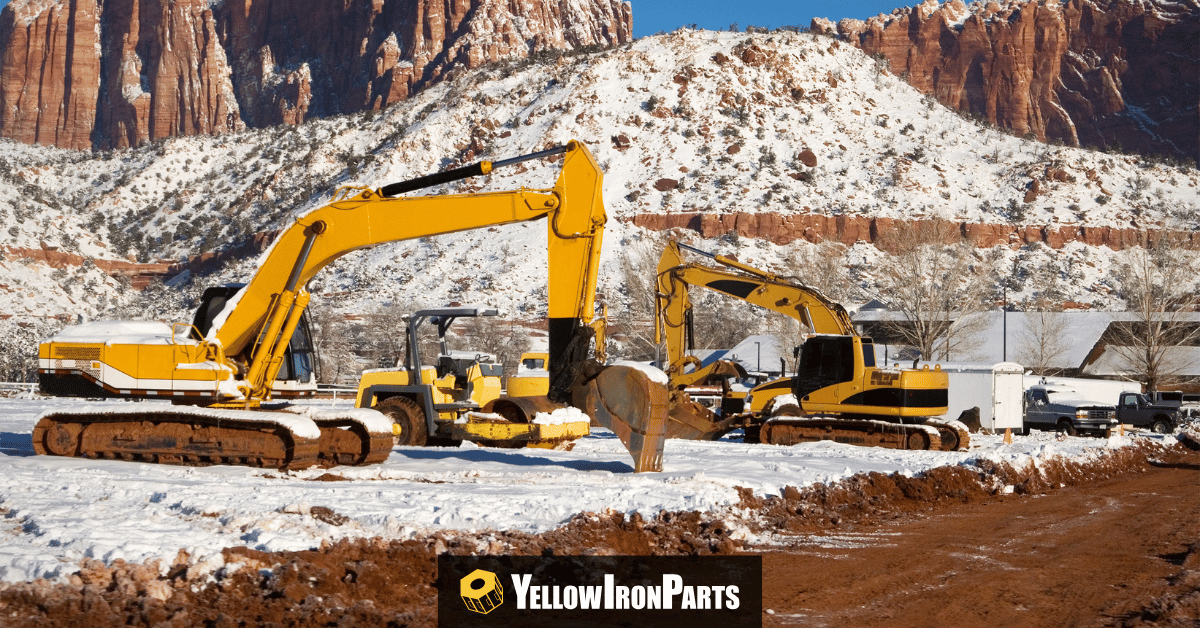
As the colder months steadily approach, it’s about time to start thinking about preparing your equipment for winter. What does that look like for your shop? It most likely includes storage for certain equipment, checking your fluids, and more. These tasks are not something you can just brush off if you want your machinery to work as expected next year.
How to Store Equipment for Winter
Storing your equipment for winter is an important process that helps to keep your attachments and equipment in top shape. You’ll want to remove attachments, lubricate accessories, drain liquids, remove the battery, and drain and dry systems that store water or fluids.
Remove Attachments
It’s important to remove any attachments from your requipiment before storing for the winter. Keep the place you use to remove them at room temperature.
Lubricate Accessories and Machinery
Make sure to lubricate all stored accessories and machinery. Opt for a high viscosity lubricant, this type of lubricant won’t drip in cold weather and tends to coat parts better.
Fill Fuel Tank and Drain Water Separator
Before storing your equipment, you’ll want to fill your fuel tank to full to help prevent condensation build up. Your fuel can still freeze, so look into a fuel additive that helps thaw frozen fuel filters and remove moisture. Don’t forget to drain your water separator to keep the water tank clear of moisture and debris.
Remove the Battery
Remove batteries, connect them to chargers, and store them at room temperature. This ensures that they will keep their charge for the next time you need them.
Maintain Your Equipment for Winter Working Conditions
Not all equipment will be stored during the winter. For those lucky machines, you’ll want to keep a consistent maintance schedule and regularly check fluids, tire pressure, and warm up your equipment before getting started with your day.
Check Your Fluids
- Swap out your usual engine oil for a low viscosity oil that will flow faster in the colder months.
- For coolants, switch to a 30 percent water and 70 percent coolant mixture to prevent freezing. FYI – this method could add stress to the water pump, so make sure to check the manufacturer’s recommendations first.
Check the Tire Pressure
- Check your tire pressure often – cold temperatures cause tires to lose pressure.
- When refilling your tires, make sure to do it inside a heated facility.
- Use dry nitrogen to prevent ice crystal build up inside your tires.
- Always replace any worn or bald tires.
Warm Up your Equipment Before Using
- Warming up equipment will help prevent intake and exhaust valves from sticking.
- This also allows the machines to cycle through all functions and distribute warmed oil.
- You will also benefit from a defrosted and warm cab.

Replacement Parts & Accessories as Soon as You Need Them
Whether need a replacement hose or a different accessory, trust YellowIronParts to connect you with vendors in your area. Start preparing your heavy equipment for winter today with YellowIronParts.
Latest Posts


